
 By
College can get expensive very fast. The money, found through savings, and aid may not be enough for tuition, books, housing, and other fees. If there is still a gap, that gap may be filled with student loans. But, when it comes to selecting a lender, research is needed.
Don’t only aim to be approved of. This means finding loan terms that work with your budget now and after you graduate.
Start with Federal Aid First
Before pursuing private loans, US students should examine grants, scholarships, and federal student aid. Federal loans come with advantages private lenders do not offer − like certain income-driven repayment plans.
If those options still leave you with uncovered costs, private education loans can help bridge the gap. Limit the amount you borrow to what will cover your last debts.
What Should You Seek While Choosing a Lender?
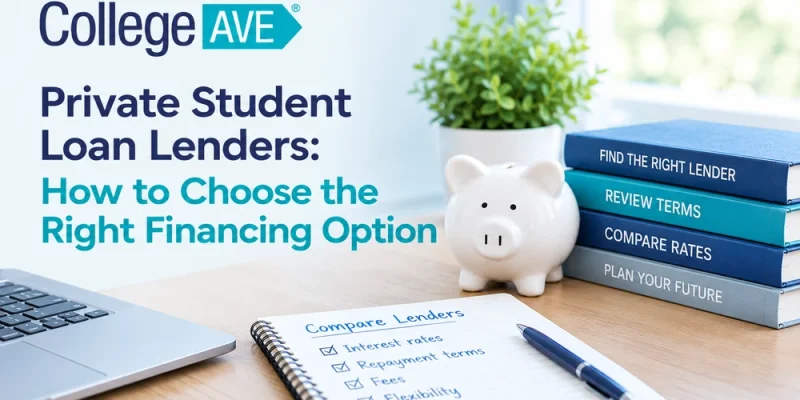
Private student loans lenders have different rates, repayment terms and eligibility criteria. Getting a number of offers lets you know what the real cost of borrowing is going to be.
Focus on these key details:
- Interest rate: In your case you need to verify if the interest is fixed or dynamic.
- Fee: Be wary of any fees that could ramp up the total costs.
- Repayment term: Evaluate how much a loan will cost you monthly but also how long it will be in place.
- Cosigner rules: Do you need a cosigner and how release works.
- Borrower support: If you are having any financial hardship, check the options available to help a borrower.
Never select a loan based on an advertised low interest rate. Your final rate will vary based on your financial history, income, etc.
Prepare Before You Apply
Have your school price, income documents, and other debt information available. Review your credit report and calculate how much you will comfortably be able to pay back monthly.
And if you require a cosigner, be sure to explain the risks beforehand. If you cannot make the payments, repayment is typically your cosigner’s responsibility.
Other borrowings are when need be borrowed, at a higher interest rate. Know when interest will begin to accrue, how payments are structured, and what happens if a due date is missed.
Do Not Borrow Without Considering Your Future
A student loan can help you get through college, but remember − it may take years to pay off. Shop around for offers from several lenders and see how much it would cost you.
Choose terms based on your projected income, not just your situation now. With help and careful planning, you can afford college all while avoiding most of the pressure down the road.












Comments